Vintage Tasting: Celebrating 150 Years of Winemaking
Sommelier Marcus Rossi
Master Sommelier & Wine Advisor
There are few experiences more humbling than opening a bottle of wine that was made 150 years ago. The act connects you directly to the person who tended those vines, who picked those grapes, who sealed that bottle and tucked it away for the future—for this very moment. Last month, we had the privilege of experiencing exactly that.
A Historic Collection
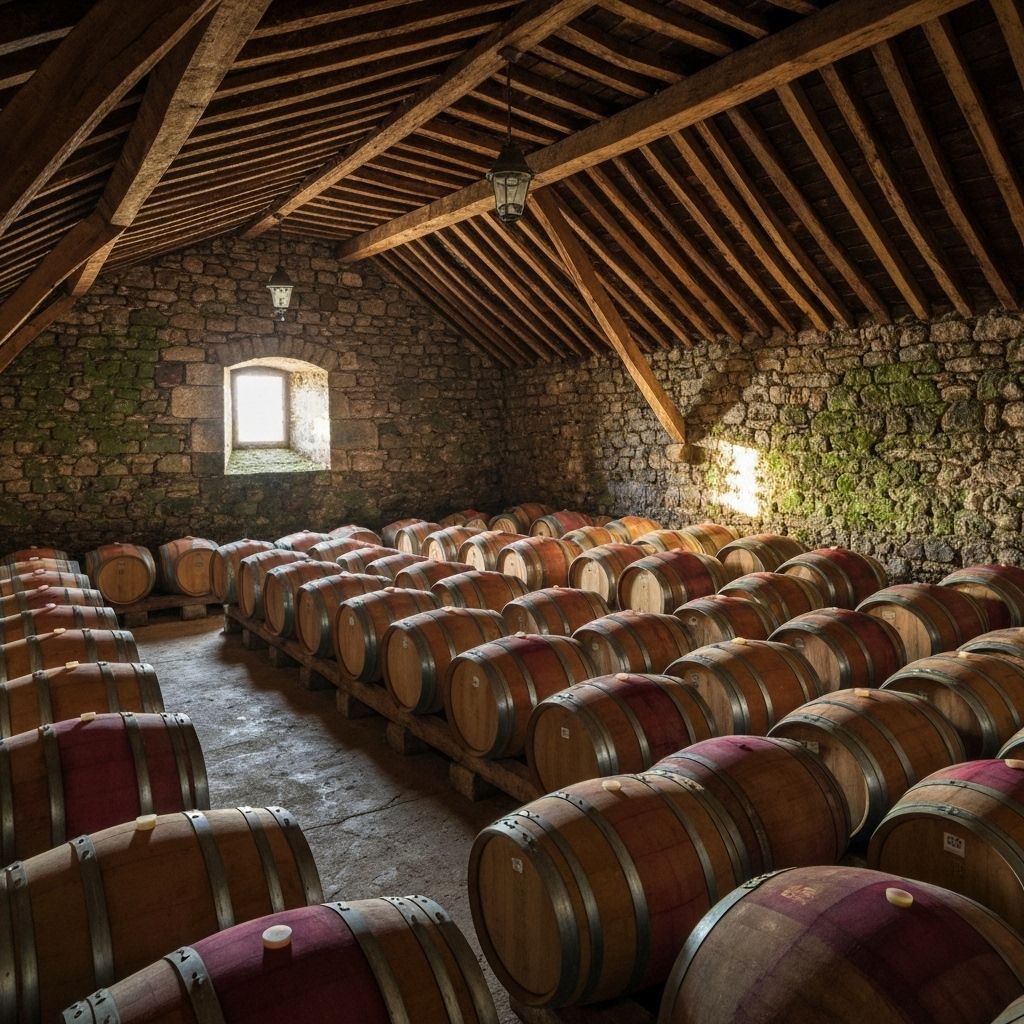
Our family's wine cellar is one of the estate's most remarkable features. Constructed in 1870, it maintains a constant temperature of 55°F and 70% humidity—perfect conditions for long-term wine storage. Over 150 years, our ancestors built a collection of over 3,000 bottles, including wines from our own vineyard and acquisitions from legendary producers worldwide.
The collection includes bottles from every decade since the 1870s. Some are from renowned vintages—1947 Château d'Yquem, 1961 Château Latour, 1982 Bordeaux. Others are more personal—bottles from our own vineyard, wine from the year each family member was born, bottles saved from special celebrations.
Planning the Tasting
To mark 150 years of continuous winemaking on our estate, we decided to host an intimate tasting featuring wines spanning this entire period. Master Sommelier Marcus Rossi, who has advised our family for over 20 years, helped select bottles that would tell the story of our winemaking journey.
This wasn't a casual endeavor. Each old bottle is a gamble—wine this age might be transcendent or might have faded to vinegar. Marcus carefully examined each bottle's fill level, cork condition, and storage history before making his final selections. Out of dozens of candidates, we chose twelve bottles to represent twelve different decades.
The Tasting Experience
The event took place in the wine cellar itself, surrounded by the bottles that bore witness to our family's history. Eighteen guests—family members, close friends, and several notable wine experts—gathered around a long table set with crystal glassware that had served similar purposes a century before.
We began with an 1874 Madeira from our cellar—not from our vineyard, as we hadn't yet begun making wine, but acquired by my great-great-grandfather who dreamed of one day producing something equally magnificent. The wine was remarkably alive, amber in color with complex notes of caramel, nuts, and dried fruits. A 150-year-old wine that tasted like liquid history.
Next came our own 1895 vintage—the first wine produced from our estate vineyard. The bottle's label, hand-written by my great-great-grandfather, noted it was a blend of several Italian varietals he'd brought from Tuscany. The wine had evolved beyond typical tasting descriptors into something ethereal—barely red anymore, more of a deep amber, with flavors of tobacco, leather, and autumn leaves. That we could taste it at all felt miraculous.
Highlights Through the Decades
Each subsequent wine told its own story. The 1912 vintage came from the last harvest before Prohibition complicated our winemaking. The 1933 bottle celebrated Prohibition's repeal. The 1947—widely considered one of the 20th century's greatest vintages—showed why, with remarkable concentration and balance despite its age.
Perhaps most poignant was the 1968 vintage, made by my grandfather during a difficult year for the family. Reading his tasting notes from that harvest—documenting an unexpectedly hot September that nearly ruined the crop before a cooling trend rescued it—while tasting the wine he made from those grapes created a connection across time that brought tears to several eyes.
The Science of Aging
Marcus used the tasting to educate us about what happens to wine over decades and centuries. How tannins soften and integrate. How primary fruit flavors evolve into complex tertiary characteristics. How great wines develop what experts call "austerity"—a refined, elegant quality that can only come with age.
Not every wine was a success. One bottle from the 1920s had oxidized badly. Another from the 1950s had a flawed cork. But even these "failures" taught us something about the challenges of preserving wine across generations and the remarkable fact that any bottles survived at all.
Continuing the Tradition
The tasting wasn't just about looking backward—it was also about looking forward. We've been making wine on this estate for 150 years. With proper care and continued commitment, today's wines might be tasted by our descendants in 2174.
That thought informs how we approach winemaking now. We're not just making wine for today's market. We're making wine for the future, for generations we'll never meet. Every bottle we lay down in the cellar is a message to the future, a liquid time capsule.
We concluded the evening by descending deeper into the cellar, where the newest vintages rest. We laid down several bottles from our most recent harvest, each labeled with notes about the growing season, the weather, the people who worked the harvest, and hopes for whoever might open them decades or centuries from now.
In wine, as in so much of what we do, we are temporary custodians of something larger than ourselves—a tradition that predates us and will, we hope, long outlast us.
Tags
Sommelier Marcus Rossi
Master Sommelier Marcus Rossi has been advising the Mammela family on wine matters for over 20 years. With expertise in both Old World and New World wines, he manages the family's extensive cellar and oversees their ongoing winemaking operations. His passion for wine history makes him the perfect guide through the family's vintage collection.