Autumn in the Estate Gardens: Nature's Grand Display
Pascal Mammela
Estate Horticulturist
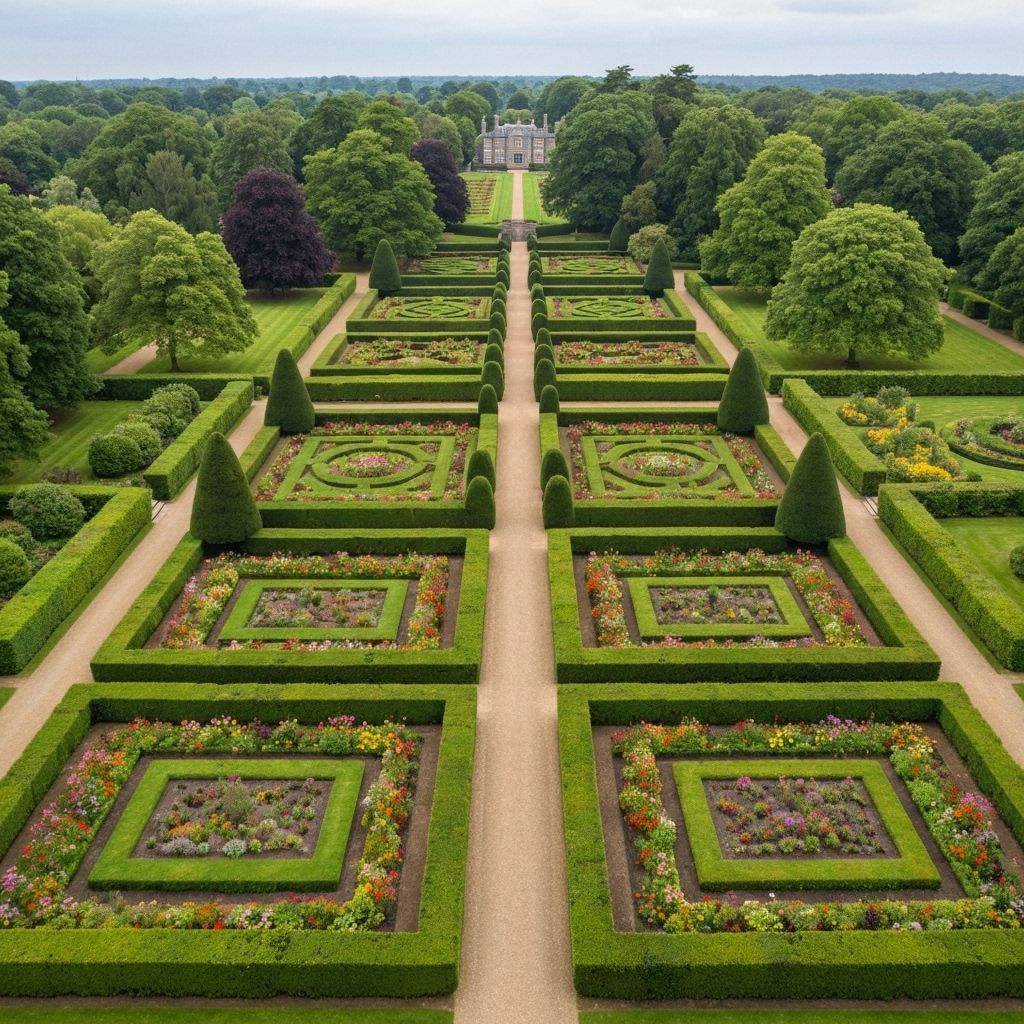
There's a particular magic that descends upon our estate gardens each autumn. As the summer heat fades and the days grow shorter, the landscape transforms into a living canvas of gold, crimson, and amber. This annual metamorphosis reminds us that beauty often comes in cycles, and change itself can be magnificent.
A Garden Through Time
Our gardens were first laid out in 1860 by landscape architect Pietro Grimaldi, who studied under the masters in England before bringing his vision to our estate. He designed these grounds to be beautiful in every season, but he reserved his greatest artistry for autumn.
Grimaldi planted specific species for their fall color: sugar maples that turn brilliant orange, sweet gums with their deep burgundy leaves, and ginkgo trees that become pillars of pure gold. He positioned them to create color progressions—one area transitioning from yellow to orange to red as you walk through it, like moving through a sunset.
This Year's Display
This autumn has been particularly spectacular. The wet spring and moderate summer created ideal growing conditions, and now the trees are rewarding us with some of the most vibrant colors we've seen in years.
The Japanese maple grove near the east terrace is especially stunning. These trees, planted by my great-grandfather in 1925 after a trip to Kyoto, have developed a deep red color that seems almost unreal in its intensity. In the late afternoon light, they appear to glow from within.
Our vineyard, too, plays its part in the autumn show. The grapevines, their fruit long since harvested, have turned shades of russet and gold. Walking through the rows at sunset, with the low light filtering through the colored leaves, feels like stepping into another world.
The Work Behind the Beauty
Of course, this seasonal beauty doesn't happen by accident. Our head gardener, James Morton, and his team spend the entire year preparing for each season. In spring, they prune and shape. In summer, they manage irrigation and monitor plant health. And in autumn, while enjoying the visual rewards of their labor, they're also preparing the gardens for winter.
Fallen leaves aren't simply raked away—they're collected and composted, creating the rich soil amendment that feeds next year's growth. Perennials are carefully cut back. Bulbs for spring bloom are planted. Even in autumn's glory, the gardeners are already thinking ahead to future seasons.
Sharing the Beauty
We believe beauty this magnificent should be shared. Every autumn, we host guided garden walks, allowing visitors to experience the grounds at their most spectacular. This year's walks have been particularly popular, with guests traveling from several states to see the display.
During these walks, James shares not just botanical information but the history woven into these grounds. That ancient oak near the rose garden? It was here before the house was built, and Pietro Grimaldi designed the entire south garden to complement it. The reflecting pool? It's positioned to perfectly mirror the sugar maples on the eastern hill.
Lessons from the Garden
There's something profound about watching the gardens change each year. The same trees, the same paths, but never quite the same experience. Some years, early frost rushes the color change. Other years, like this one, the transformation is slow and luxurious, giving us weeks to savor it.
These gardens remind us that beauty and change aren't opposites—they're partners. The leaves are most beautiful just before they fall. The gardens are most magnificent in this transition between abundance and dormancy. There's a lesson there about embracing change rather than resisting it.
As I write this, sitting on the terrace with a blanket and a cup of tea, I'm watching the afternoon light move through the maple grove. Soon these leaves will fall, the gardens will sleep, and we'll turn our attention to indoor pursuits. But for now, in this perfect autumn afternoon, I'm simply grateful to witness this annual masterpiece.
Tags
Pascal Mammela
Pascal Mammela is a landscape architect and horticulturist who oversees the estate's extensive gardens. Following in his great-great-grandfather's footsteps, he balances historical preservation with modern sustainable gardening practices. He holds a master's degree in landscape design from Cornell University.